There is no best way to ship. There is the right mode for a given product, value and deadline.
The trade-offs
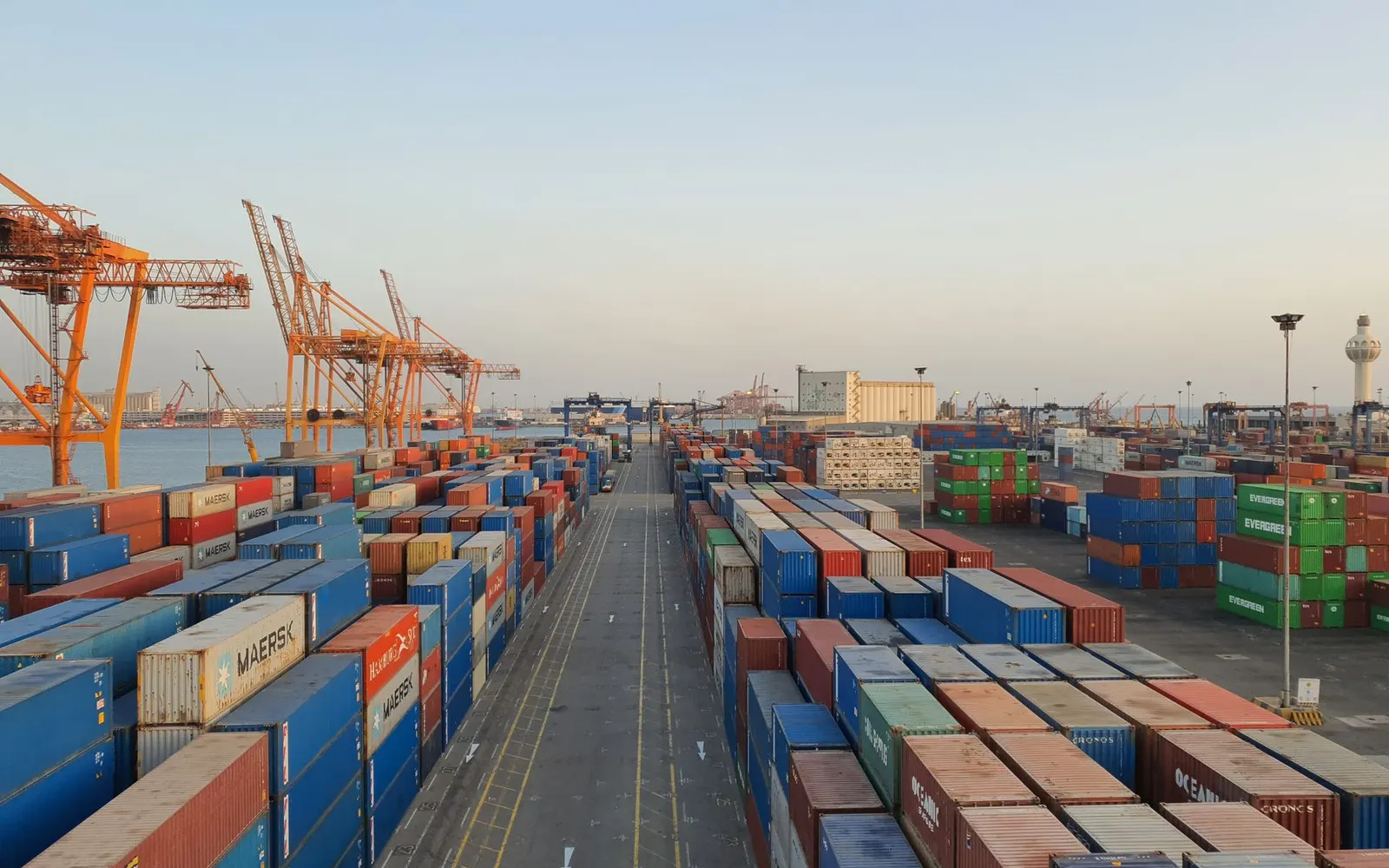
- Sea freight: the lowest cost per unit for volume, with the longest and least flexible lead time.
- Air freight: the fastest, at the highest cost. It suits urgent, high-value or lightweight goods.
- Rail: a middle path between sea and air on suitable routes.
- Road: practical for regional deliveries and the final leg.
A simple way to choose
Start with the deadline, then the value of the goods in relation to their weight and volume. Low-value bulky goods point to sea. High-value compact goods can justify air. Anything with a hard deadline deserves a buffer, whichever mode you pick.
What to prepare
- Accurate commercial documents: invoice, packing list and, where required, certificates of origin or compliance.
- Packaging adapted to the mode and to the number of handling steps.
- A clear delivery term, so everyone knows who pays for and manages each leg.
- A customs plan for the destination country.
One chain, not four contracts
Freight, warehousing, customs clearance and last-mile delivery work best when one party runs them together. That is how BTOBSupply operates the chain from the factory in Shenzhen.